Compliance
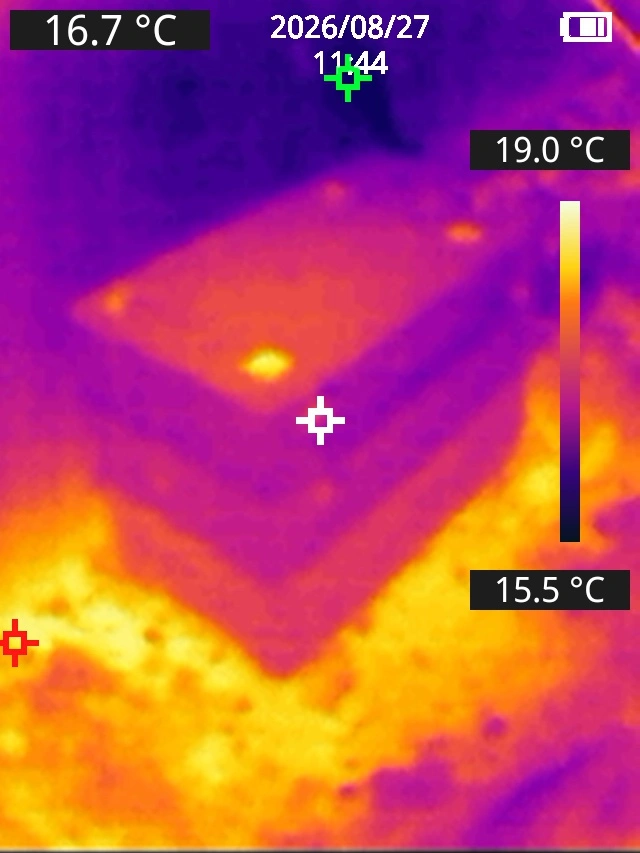
Classification before packaging movement and disposal
Lithium battery is not a complete transport plan. Chemistry, UN number, condition, size, equipment status and the potential behaviour during transport all matter.
P908 and P911 serve different risk profiles
Both packing instructions address damaged or defective batteries. P911 is not simply a bigger box. It is the pathway for batteries that may react dangerously under normal conditions of transport.
FSBR reviews available product and manufacturer information, incident history, client-reported damage and externally observable indicators for recovery and transport planning. Every battery transported by FSBR is treated as damaged or defective, or as critically damaged or defective. This intake screening is not an internal diagnosis: FSBR does not determine whether a battery is safe, diagnose internal faults or determine state of charge. Manufacturer or appropriately qualified technical input may be required before the transport pathway can be confirmed.
P908 damaged or defective non-critical transport profile
Applies to applicable damaged or defective lithium-ion, lithium-metal and sodium-ion cells and batteries, including those contained in equipment, where the higher-risk P911 criteria are not met. Packaging must protect against short circuit, movement, electrolyte release and further damage, with cushioning and thermal controls selected for the job.
P911 damaged or defective critical transport profile
Applies where cells or batteries are liable to rapidly disassemble, dangerously react, produce flame or dangerous heat, or emit toxic, corrosive or flammable gases or vapours under normal transport conditions. The packaging system must satisfy specific performance requirements for thermal reaction, flame, projectiles, structural integrity and gas management.
Recalled batteries
Recalled does not automatically mean P911. An accepted recalled battery is treated by FSBR as damaged or defective, or as critically damaged or defective. The recall notice, reported failure mode, externally observable indicators and any required manufacturer or qualified technical information support the applicable transport pathway; FSBR does not diagnose internal condition.
FSBR acceptance scope
Accepted profile: damaged or defective, or critically damaged or defective.
Service boundary: no general P909 transport for intact used or end-of-life batteries.
Identification boundary: the client or site controller nominates the batteries; an appropriately qualified and insured party must identify them where damage is only suspected.
P908 or LP904
Applicable to relevant lithium-ion, lithium-metal and sodium-ion cells and batteries treated as damaged or defective and not within the P911 criteria.
Purpose: contain a damaged or defective battery and prevent escalation.
P911 or LP906
Applicable to relevant lithium-ion, lithium-metal and sodium-ion cells and batteries in the critical damaged/defective transport profile.
Purpose: contain the consequences of a dangerous thermal or chemical reaction.
Licensed WA controlled-waste carrier
Fire Scene Battery Recovery operates as a licensed controlled-waste carrier in Western Australia. Transport remains subject to the current licence conditions, waste categorisation, vehicle and driver listing requirements and the receiving facility.
Waste Types
D151 used nickel-cadmium batteries
D211 used nickel-metal hydride batteries
D221 used lead-acid batteries
E120 waste of an explosive nature not subject to other legislation, only where the actual waste categorisation and licence conditions support that classification
Important Note
Lithium, sodium-ion and other dangerous-goods transport classifications are managed under the applicable ADG entry and WA requirements. A controlled-waste code is not a substitute for dangerous-goods classification.
What supports the movement
Battery chemistry, UN number and proper shipping-name review.
Review of available product information, incident history, client-reported damage and externally observable indicators against the applicable transport criteria. Internal condition and state of charge are not determined by FSBR.
Packaging selection, package marks, labels and consignor information.
Dangerous-goods transport document where required.
Controlled-waste tracking where thresholds and waste category require it.
Load restraint, pre-departure checks and receiving-facility confirmation.
Photographs, weights, chain of custody and downstream documentation.
Check the current source
Codes, commencement dates, competent-authority decisions and licensing requirements can change. Check the current official sources before relying on this service overview.
Fire Scene Battery Recovery (WA) operates as a Western Australia–based and WA‑compliant service provider.
Our approach is informed by:
WA Work Health and Safety obligations
Fireground safety principles
Industry guidance on damaged and defective lithium batteries
Dangerous goods packaging
We do not certify sites as safe or hazard-free. Residual risk management remains the responsibility of the site controller or property owner.
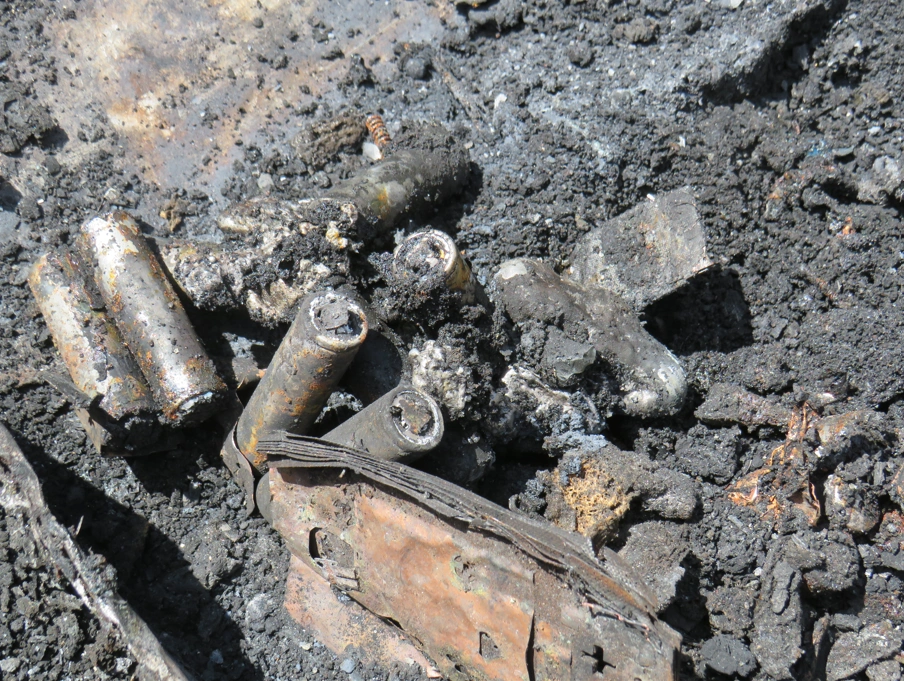
Send photographs and condition details before anyone moves the battery
Include visible damage, swelling, leakage, heat, odour, smoke history, water or impact exposure, battery size and location.